Lute Embroidery Design Review
First Impressions of Lute
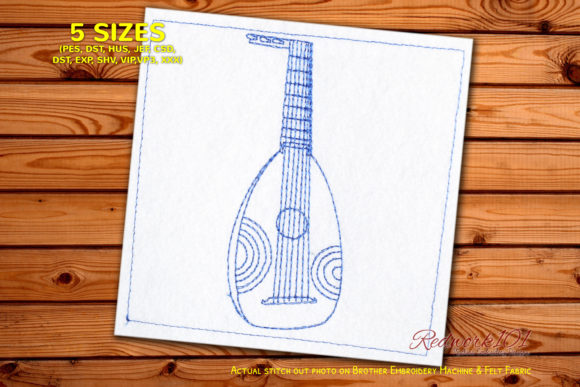
The Lute design carries a classic, elegant feel that leans into the realm of vintage and musical artistry. It’s not overly bold or playful, but it has a refined presence that can elevate any craft fair product. The description suggests a plucked stringed instrument with a long neck and rounded body, which gives the design a sense of sophistication. The optional Box Stitch adds a layer of customization, allowing for more creative expression depending on the final product.
Whether used as a standalone embroidery piece or incorporated into a larger design, Lute has a timeless quality that appeals to a wide range of buyers. Its clean lines and recognizable form make it ideal for both modern and farmhouse-style items.
Where Lute Shines in Craft Fair Products
When considering where to place the Lute design in your booth, think about products that draw immediate attention. Tote bags, aprons, and tea towels are excellent choices because they’re functional and often serve as conversation starters. The Lute design can be a focal point on these items, making them stand out among other handmade goods.
Embroidered patches and fabric pouches also offer great potential. These small, portable items can be showcased in display boxes or on hanging racks, allowing customers to see the detail up close. For a weekend craft fair, Lute works well as a booth sample, especially when paired with complementary designs or color schemes.
As a machine embroidery design, Lute is versatile enough to be used on caps, pillow covers, and market bags. Its structure allows it to be scaled up or down without losing its visual appeal. This adaptability makes it a strong contender for small shop product lines, particularly for Etsy sellers and digital embroidery file providers.
Practical Selling and Production Considerations
One of the first things to consider when using Lute is how it performs at a glance. The design is clear and easy to recognize, which is essential for attracting customer attention in a busy craft fair setting. Whether used as a small accent or a large focal design, Lute maintains its identity and visual impact.
For commercial embroidery and batch production, Lute’s simplicity helps reduce stitch count and production time. However, the optional Box Stitch may add complexity if included. It’s important to test the embroidery file on different fabrics to ensure it translates well across materials like cotton, linen, and textured towels.
Photographing Lute for online listings is straightforward. The design’s clean lines and contrast make it suitable for printable mockup creation, helping handmade product sellers present their work professionally. A well-lit photo showing the texture and thread colors can significantly boost buyer engagement.
Careful-Use Notes for Lute
While Lute is a solid design, there are a few considerations to keep in mind. Dense stitch areas could cause puckering on thin or stretchy fabrics, so using the right stabilizer is crucial. Tiny details may not show up clearly on dark fabrics, so choosing appropriate thread colors is key.
If the design is intended for curved surfaces like caps, ensure the hoop size accommodates the shape without distorting the pattern. Small lettering or intricate parts may lose clarity at smaller sizes, so scaling the design carefully is important.
For handmade gifts and booth samples, testing the design on scrap fabric before full production is always a good idea. This helps identify any issues with stitch density or placement that might affect the finished product.
How Lute Enhances Visual Appeal and Brand Consistency
Lute adds a touch of premium quality to any product it’s used on. Its elegant design can help reinforce a brand’s identity, especially for shops that focus on music-related or artistic themes. When displayed alongside other items, Lute stands out as a unique and thoughtful addition that appeals to a broad audience.
As a design asset, Lute can be used consistently across multiple product types, maintaining a cohesive look that strengthens brand recognition. This consistency is vital for craft fair sellers and boutique makers looking to build a recognizable aesthetic.
Customer engagement increases when a design feels intentional and high-quality. Lute’s presence on tote bags, aprons, and other items can spark conversations, leading to more sales and repeat customers.
Embroidery Designer Notes for Success
Before finalizing production, create at least one real mockup to see how Lute looks on actual fabric. Compare different fabric textures and color combinations to find the best fit for your target audience. Checking spacing and stitch density ensures the design will look sharp and professional on all products.
Confirming commercial licensing is essential before selling finished products. Even though the original description doesn’t mention it, always verify that the digital embroidery file you’re using is properly licensed for resale. This step protects your business and ensures your customers receive quality, legal products.
In summary, Lute is a versatile and appealing embroidery design that can enhance a variety of craft fair products. With careful consideration of production details and visual presentation, it has the potential to become a standout item in your booth and a valuable addition to your product line.