Minimalistic One Line Rooster
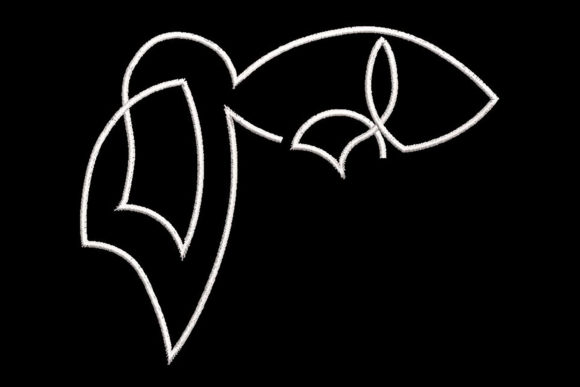
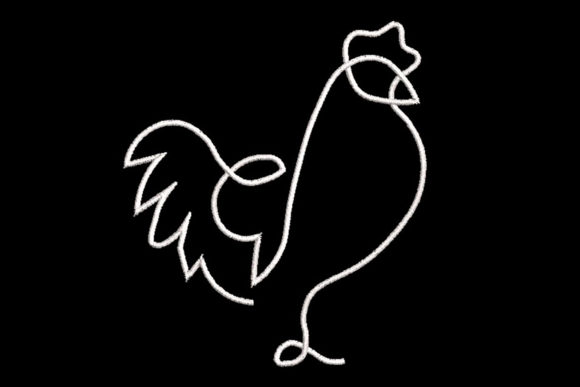
The Minimalistic One Line Rooster is a straightforward, elegant design that captures the essence of a rooster with just a single continuous line. It’s not about complexity or detail—it’s about simplicity and clarity. This machine embroidery design feels like a breath of fresh air in a world often overwhelmed by busy patterns. Its clean lines and minimal form make it ideal for those who appreciate understated artistry.
First Impressions: A Design That Speaks Volumes
From the moment you see the Minimalistic One Line Rooster, it’s clear this is a design meant for purpose. The shape is immediately recognizable—a stylized rooster without unnecessary embellishments. There are no fill stitches, no satin work, just a single flowing line that outlines the bird’s form. This makes it perfect for beginners, but also intriguing for experienced designers looking for a bold yet simple statement.
The layout is balanced, with enough negative space to let the design breathe. It has a modern, almost minimalist aesthetic that could fit into a variety of themes, from rustic farm motifs to contemporary home decor. The theme itself, while clearly tied to Farm Animals, doesn’t feel overly literal. Instead, it’s more about evoking the spirit of a rooster than replicating a realistic image.
Real-World Use: Where Does This Design Shine?
One of the first scenarios I imagine using the Minimalistic One Line Rooster is on a custom embroidered tote bag. It’s the kind of design that can be placed front and center without overwhelming the fabric. On a cotton tote, it would look clean and professional—perfect for a small business owner selling handmade products or an Etsy seller looking for a unique, repeatable design.
This design also works well as a sweatshirt embroidery. The 4" x 4" hoop size means it fits comfortably on most standard machines, and the single color allows for easy customization. Whether you’re stitching a baby onesie or a holiday gift, the simplicity of the design ensures it won’t clash with other elements on the garment.
Another practical use is as an embroidered patch. The single line keeps the design sharp and precise, making it ideal for applique or iron-on transfers. It could easily be incorporated into a quilt block, adding a subtle touch of personality without drawing too much attention away from the overall pattern.
When to Be Cautious: Limitations and Considerations
While the Minimalistic One Line Rooster is versatile, there are situations where it might not perform as well. On small hoop sizes, the design may feel cramped, especially if the user wants to add additional details. Textured fabrics or thin materials could also pose challenges, as the single line might not hold up as well under stitch pressure.
On dark fabrics, the contrast might be an issue unless the thread color is carefully chosen. Similarly, stretchy or layered garments could cause the design to distort if not stabilized properly. For curved surfaces like caps or hats, the design might require some adjustment to maintain its integrity during stitching.
It’s also worth noting that this design isn’t suited for projects requiring dense stitch areas or intricate details. If you're planning to use it as a decorative accent, consider how it will interact with other elements in the composition.
Impact on Visual Appeal and Customer Perception
The Minimalistic One Line Rooster has a strong visual impact despite its simplicity. It’s the kind of design that can elevate a basic product into something special. When stitched correctly, it adds a touch of sophistication that appeals to both casual buyers and design-conscious customers.
For small business owners, this design can be a valuable asset. It’s easy to customize, quick to stitch, and offers a clean, professional look that aligns with many branding strategies. As a personalized gift, it’s unobtrusive yet meaningful—ideal for baby items, holiday decorations, or wedding favors.
From a commercial perspective, the design’s simplicity reduces production time and material waste. It’s also a great choice for printable mockups or digital product previews, allowing creators to showcase their work effectively without overcomplicating the presentation.
Designer Notes: Practical Tips for Success
Before jumping into a project, test the Minimalistic One Line Rooster on scrap fabric. This helps you assess how the single line holds up on different materials and under various conditions. Pay close attention to thread color contrast—especially if you're working with dark or light backgrounds.
Review the stitch density to ensure it’s appropriate for your intended use. While the design is very simple, it’s still important to confirm that the file is optimized for your embroidery machine. Check the hoop size to make sure it fits your equipment and that the design scales correctly for different applications.
Use the right stabilizer for your fabric type, and always double-check the design for any small details that might get lost during stitching. If you're planning to sell finished products or digital files, verify the licensing terms to avoid any legal issues.
Final Thoughts: A Design That Works Well, But Knows Its Limits
The Minimalistic One Line Rooster is a design that values clarity over complexity. It’s not meant to be the star of every project, but when used appropriately, it can add a refined, artistic touch to a wide range of embroidery projects. Whether you're an experienced designer or a beginner, this design offers a solid foundation for creative expression.
As with any embroidery file, success depends on how well you understand its strengths and limitations. By approaching it with care and attention, you can turn this simple line into a meaningful part of your handmade or commercial work.