Yellow Tractor Baby Bib for Small Hoops
A Designer’s First Look: Charm, Clarity, and Craftsmanship
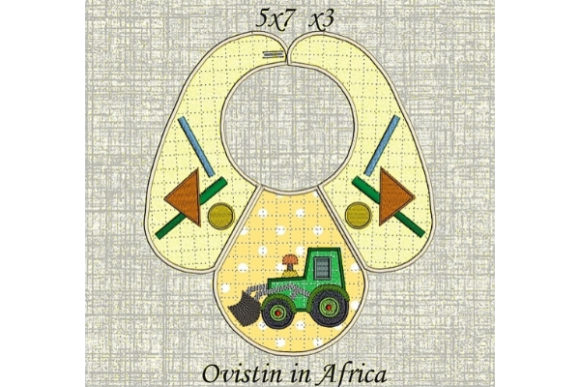
As an embroidery designer who’s tested hundreds of digital embroidery files for baby and gift markets, the Yellow Tractor Baby Bib for Small Hoops immediately stood out—not for flashiness, but for its quiet, confident charm. It feels sweet without being saccharine, playful without sacrificing polish, and handmade without looking amateurish. The tractor motif is simplified just enough for small-hoop clarity, yet retains personality in its rounded wheels, cheerful cab, and subtle shading. It reads as timeless—not tied to a trend—and fits seamlessly into both modern nurseries and classic country-style homes. For customers seeking warmth and intentionality in a personalized gift, this design delivers emotional resonance at first glance.
Versatile Beyond the Bib: Where This Design Truly Shines
Though named for a bib, the Yellow Tractor Baby Bib for Small Hoops is a quietly powerful asset across multiple personalized gift categories. As a baby embroidery staple, it elevates onesies, burp cloths, and milestone blankets—especially when paired with soft pastel thread colors on organic cotton or bamboo blends. For wedding gifts, it adds unexpected sweetness to embroidered kitchen towels or linen napkin sets given to new parents. Family keepsakes? Stitch it onto a quilt square commemorating a baby’s arrival or a pillow cover for grandparents’ guest room. Etsy sellers report strong engagement when using it on custom tote bags for baby showers or aprons for “Big Brother” or “Big Sister” siblings.
It also works beautifully in nursery decor: think framed hoop art, wall hangings on burlap or linen, or stitched onto removable crib rail covers. At craft fairs, I’ve seen small shop owners pair it with hand-dyed muslin and twine tags—creating cohesive, story-driven bundles that sell faster than generic animal motifs. Even for digital product sellers, offering this design as part of a “Farmhouse Baby Bundle” (with coordinating stars, clouds, and barn silhouettes) increases average order value and repeat buyer trust.
Where to Use It Thoughtfully—And Where to Pause
This design excels on stable, medium-weight fabrics—but like any thoughtful machine embroidery design, it asks for intention. Avoid placing it directly over thick terry cloth towels unless you’ve tested stabilizer layers thoroughly; stitch density can struggle with heavy pile. On stretchy baby clothes (like knit bodysuits), always use cutaway stabilizer and test tension—tiny tractors can distort if the fabric shifts mid-stitch. Curved surfaces—think round bibs or contoured pillow covers—require careful hooping and possibly repositioning for clean alignment.
Small lettering isn’t part of this file (based on the description), so no concerns there—but delicate wheel details *do* benefit from sharp needles and high-quality thread. On dark fabric, contrast matters: light yellow or cream thread may fade visually, so opt for buttercup or goldenrod for visibility without harshness. And because frequent washing is inevitable with baby items, confirm your thread colors are colorfast and your stitch density allows breathability—no one wants a stiff, crack-prone bib after three washes.
Why It Builds Trust—and Turns Browsers Into Buyers
The Yellow Tractor Baby Bib for Small Hoops subtly signals care. Its balanced proportions and clean outlines suggest professional digitizing—not rushed clipart repurposed for embroidery. That perception lifts the perceived value of your finished product, whether it’s a $28 embroidered towel or a $95 heirloom blanket. Customers browsing your Etsy shop or local gift store don’t just see a tractor—they see attention to detail, intention behind the gift, and respect for the milestone it celebrates.
In product photography, it performs exceptionally well: the shape pops against neutral backdrops, and its friendly scale invites close-up shots that highlight texture and thread sheen. That visual clarity translates directly to buyer engagement—longer dwell time, more saved listings, higher conversion. For wedding gift designers, it adds a layer of narrative warmth that generic monograms lack. For handmade sellers, it reinforces authenticity: this isn’t mass-produced—it’s curated, tested, and meaningful.
Practical Embroidery Notes Every Maker Should Follow
Before stitching your first customer order, treat the Yellow Tractor Baby Bib for Small Hoops like a trusted collaborator—not just a digital embroidery file:
- Always test on scrap fabric matching your final product’s weight and stretch—especially for baby clothes or kitchen linens.
- Confirm hoop size compatibility. “Small hoops” typically means 4x4" or 5x7", but verify before loading your machine.
- Review stitch density in your embroidery software—if it looks overly dense in the cab or wheels, consider slight underlay adjustments for smoother coverage on lightweight fabrics.
- Use appropriate stabilizer: tear-away for stable cottons, cutaway for knits, and fusible + tear-away for textured weaves like linen-look towels.
- Compare thread color mockups on both light and dark fabric swatches—digital previews rarely capture how yellow behaves on oatmeal or navy.
- Inspect small details post-stitch: check wheel symmetry and clean thread ends—those tiny touches define handmade quality.
- Verify commercial licensing before selling finished products. Since the description states it’s a machine embroidery design with multiple file formats, ensure your license permits resale of physical goods—not just digital downloads.
For embroidery makers, gift shop owners, and Etsy sellers building a reputation around thoughtful personalization, the Yellow Tractor Baby Bib for Small Hoops isn’t just another nursery embroidery file. It’s a reliable, emotionally intelligent tool—one that helps you deliver joy, not just stitches. When chosen intentionally, tested carefully, and paired with quality materials, it transforms everyday items into cherished keepsakes. And in a market flooded with fast trends, that kind of quiet, lasting appeal? That’s what keeps customers coming back—not once, but for every new chapter.